SYSTEM ARCHITECTURE

AND DEPLOYMENT MODELS

Thermal monitoring systems are deployed across a range of fixed, semi-permanent and mobile configurations depending on environment, risk profile and operational needs. System architecture determines how sensing, visibility and response are coordinated across these deployments.
 

How It

Works

Architecture designed to support flexible deployment without changing core monitoring principles.

SYSTEM DESIGN

Modular architecture

Thermal monitoring systems are designed as modular components that can be deployed independently or combined based on site requirements and operational scale.

DEPLOYMENT

Flexible configurations

Fixed, semi-permanent and mobile deployments allow monitoring to be tailored to long-term infrastructure, seasonal risk or temporary response needs.

VISIBILITY

Centralized awareness

Regardless of deployment model, thermal data is consolidated to provide consistent visibility across distributed assets and environments.

Why This

Matters

Operational impact of flexible system design across changing environments.

Adaptable monitoring strategies

Flexible deployment models allow monitoring strategies to evolve as risk profiles, environments or operational priorities change over time.

Consistent awareness across assets

A unified system architecture supports consistent visibility across diverse assets without requiring separate monitoring approaches for each environment.

Reduced deployment friction

Modular system design simplifies deployment planning by allowing monitoring solutions to be scaled or reconfigured without rebuilding infrastructure.

Deployment

Context

How thermal monitoring systems are deployed across fixed, semi-permanent, and mobile environments.

Fixed infrastructure
monitoring

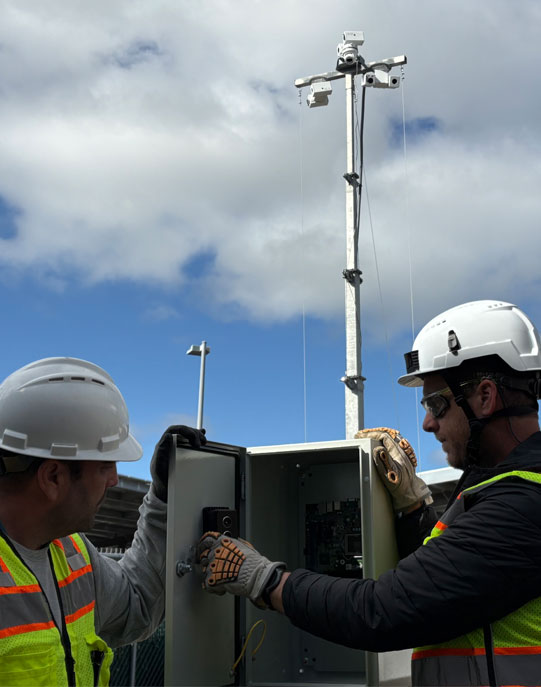
Fixed deployments support continuous long-term monitoring of critical infrastructure where conditions and risk profiles remain consistent.


Semi-permanent &
relocatable systems

Semi-permanent systems provide extended monitoring in locations where risk persists but infrastructure permanence is not required.


Mobile &
temporary monitoring

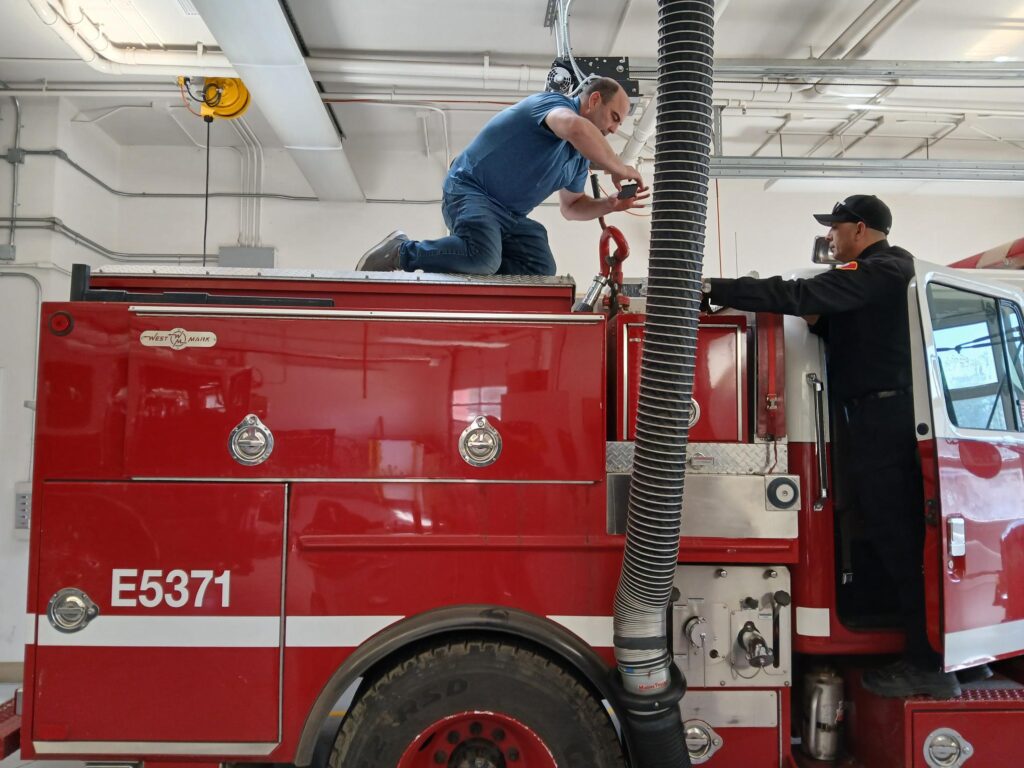
Mobile deployments support temporary monitoring during response activities, transitions, or evolving risk conditions.


Hybrid system
deployments

Hybrid deployments combine multiple monitoring models to maintain visibility across complex, distributed environments.


Solution

examples

Examples of how SYTIS thermal monitoring technologies are implemented across different deployment models.

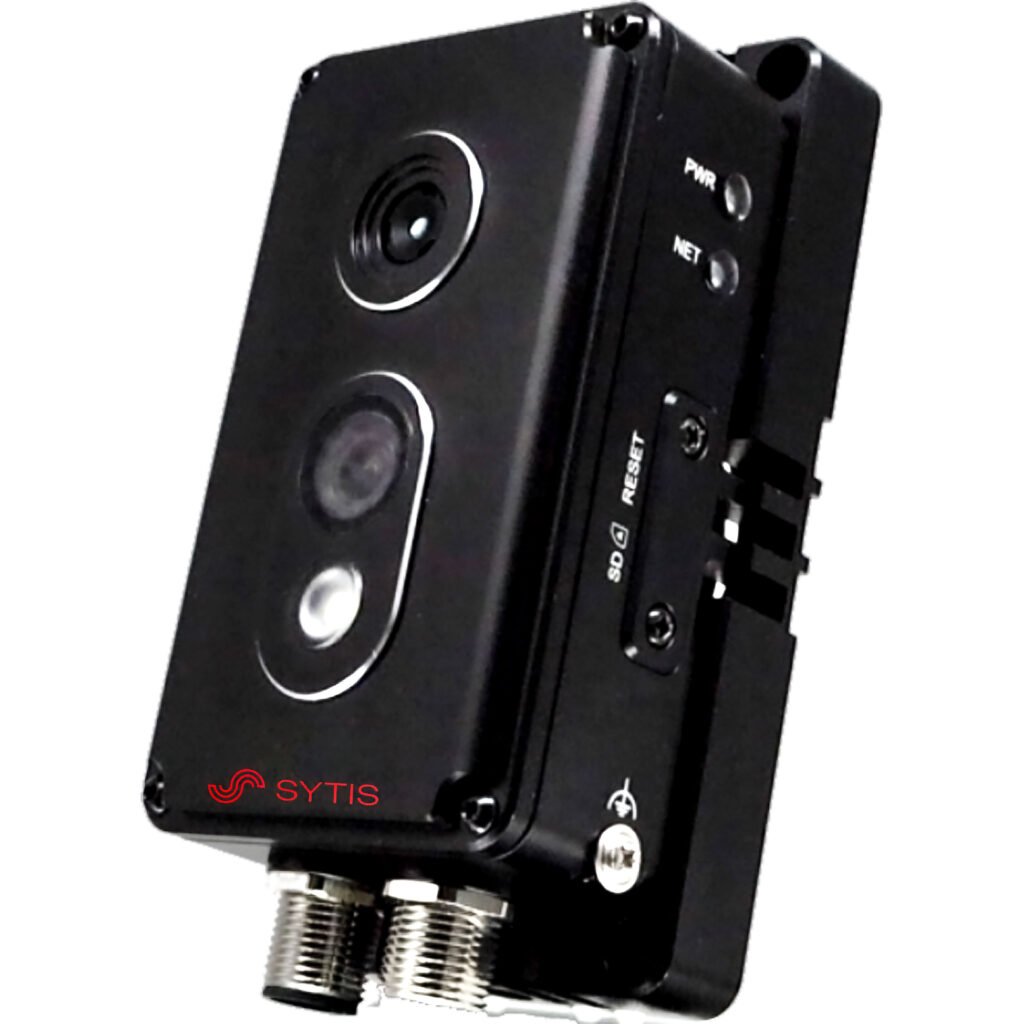
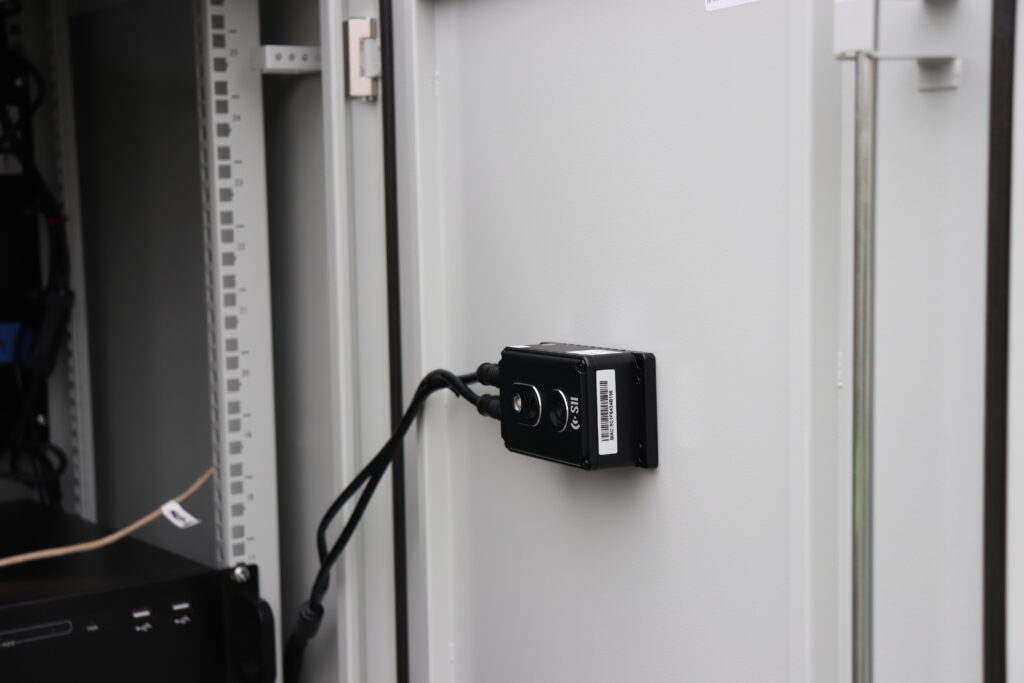
TC-90™ Bi-spectral Card Camera

A compact, fixed-position thermal camera designed for continuous monitoring inside electrical panels and cabinets.

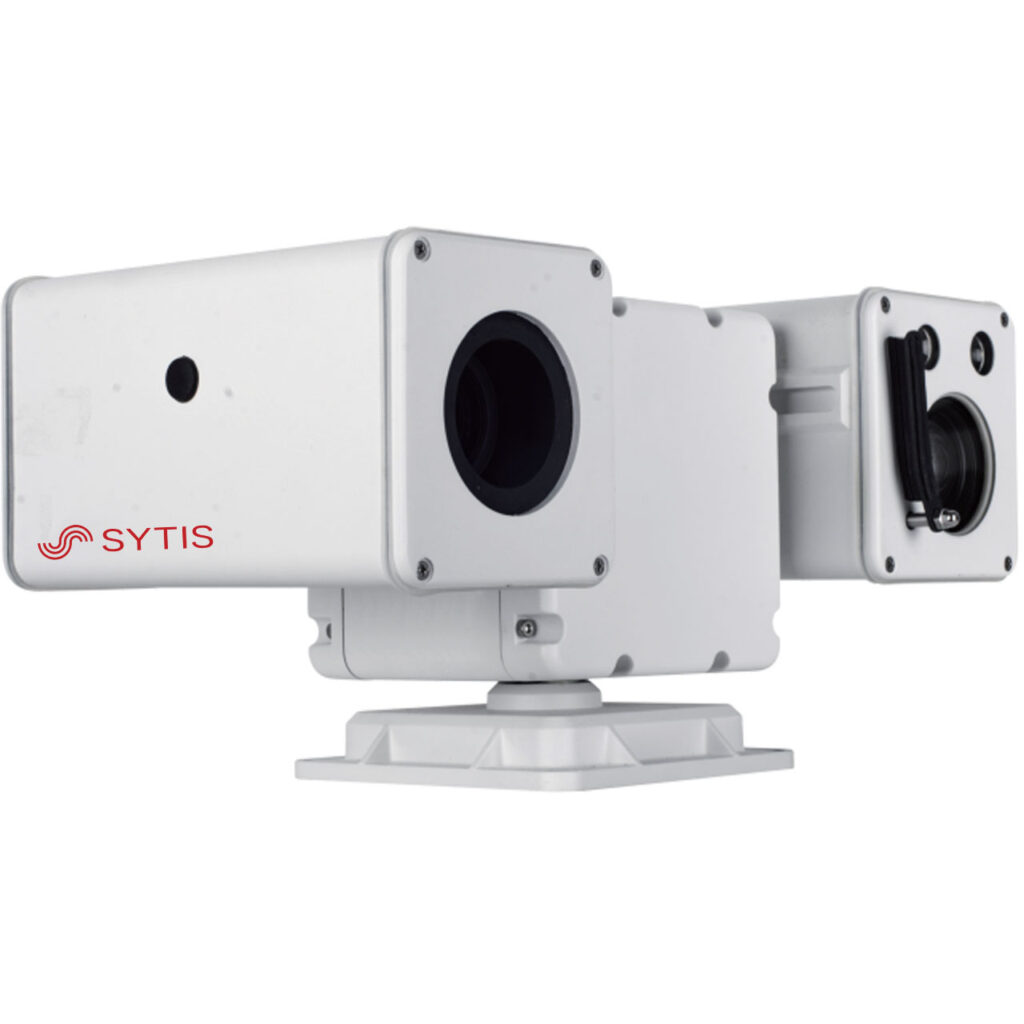
PTZ Thermal Camera Series

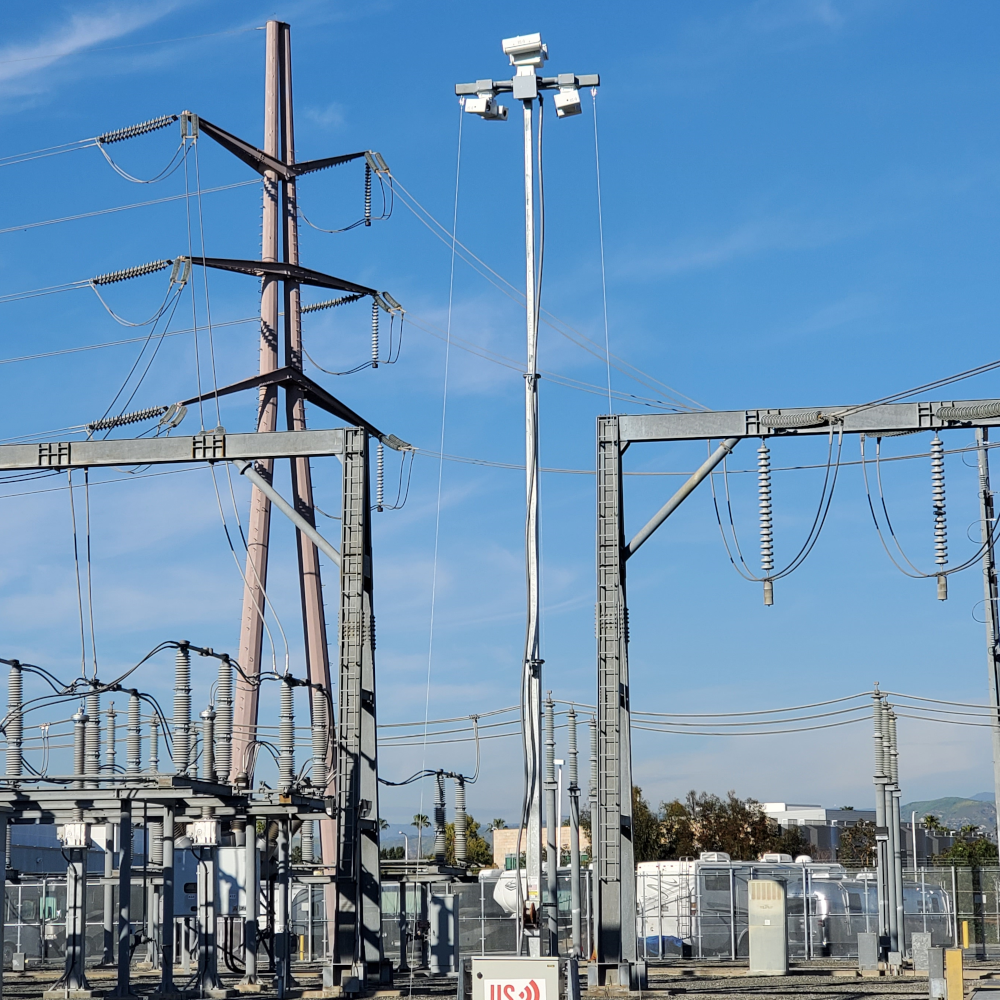
Long-range thermal cameras designed for elevated, fixed-position monitoring and active scanning across wide-area fire risk environments.

GridSafe™ Skid System

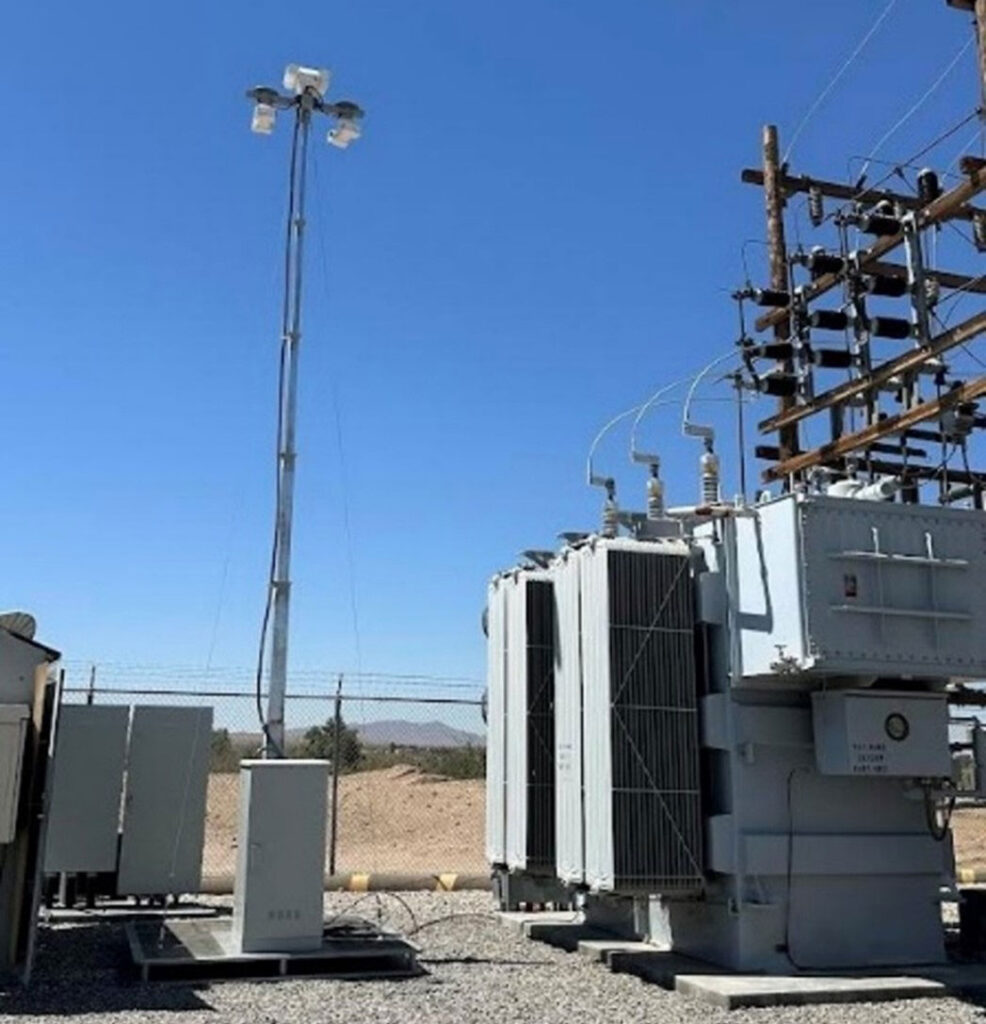
A semi-permanent deployment platform that supports long-range thermal monitoring in remote or infrastructure-limited fire monitoring locations.