Long-Range Thermal Detection
FOR WIDE-AREA FIRE RISK MONITORING
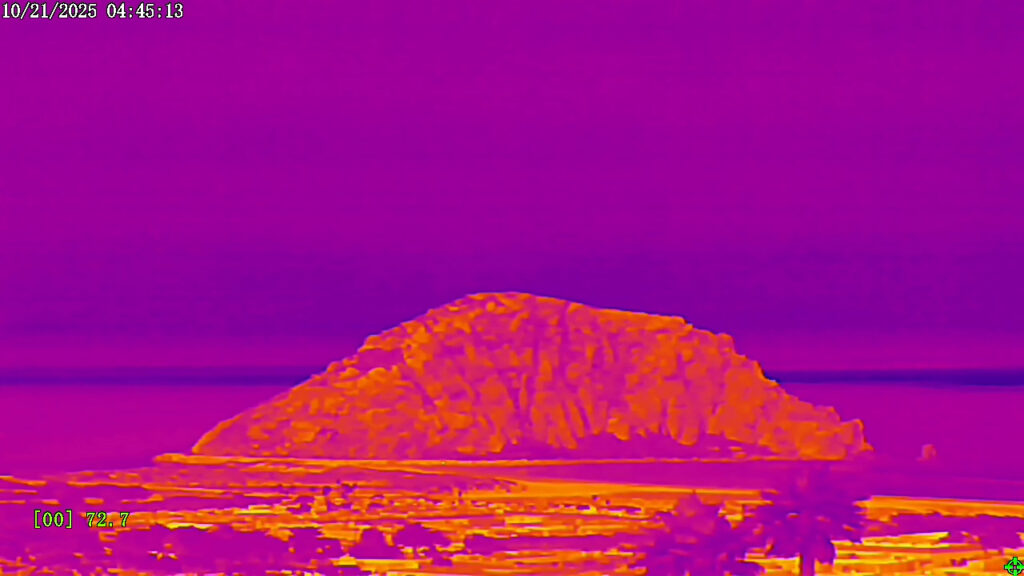
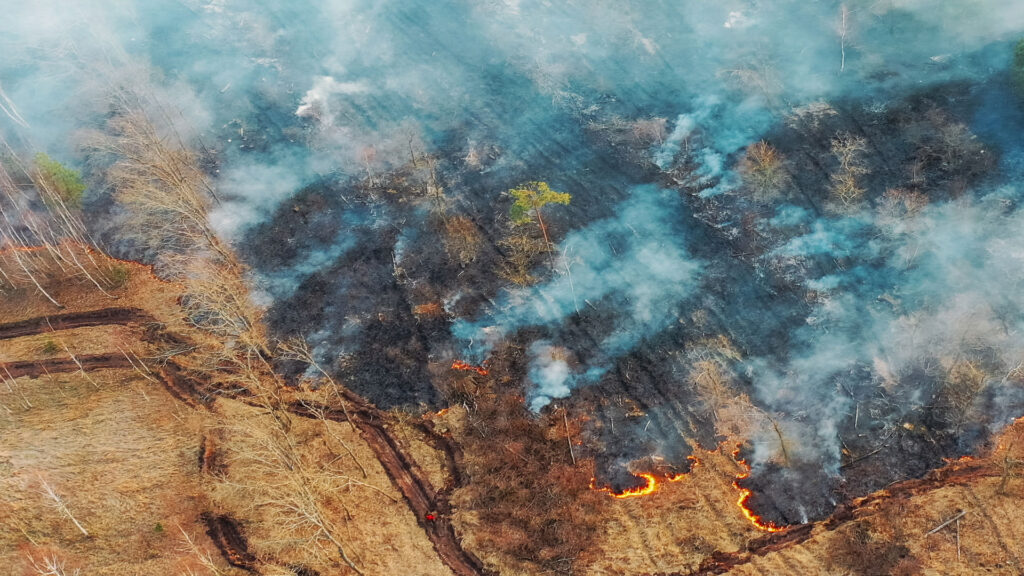
Fire ignition and heat anomalies often develop across large areas long before visible flame or smoke is present. Long-range thermal detection provides continuous visibility across wide terrain, enabling earlier awareness in environments where distance, elevation and visibility limit traditional monitoring methods.
How It
Works
Thermal monitoring designed for wide-area visibility from elevated positions.
DEPLOYMENT
Elevated fixed positioning
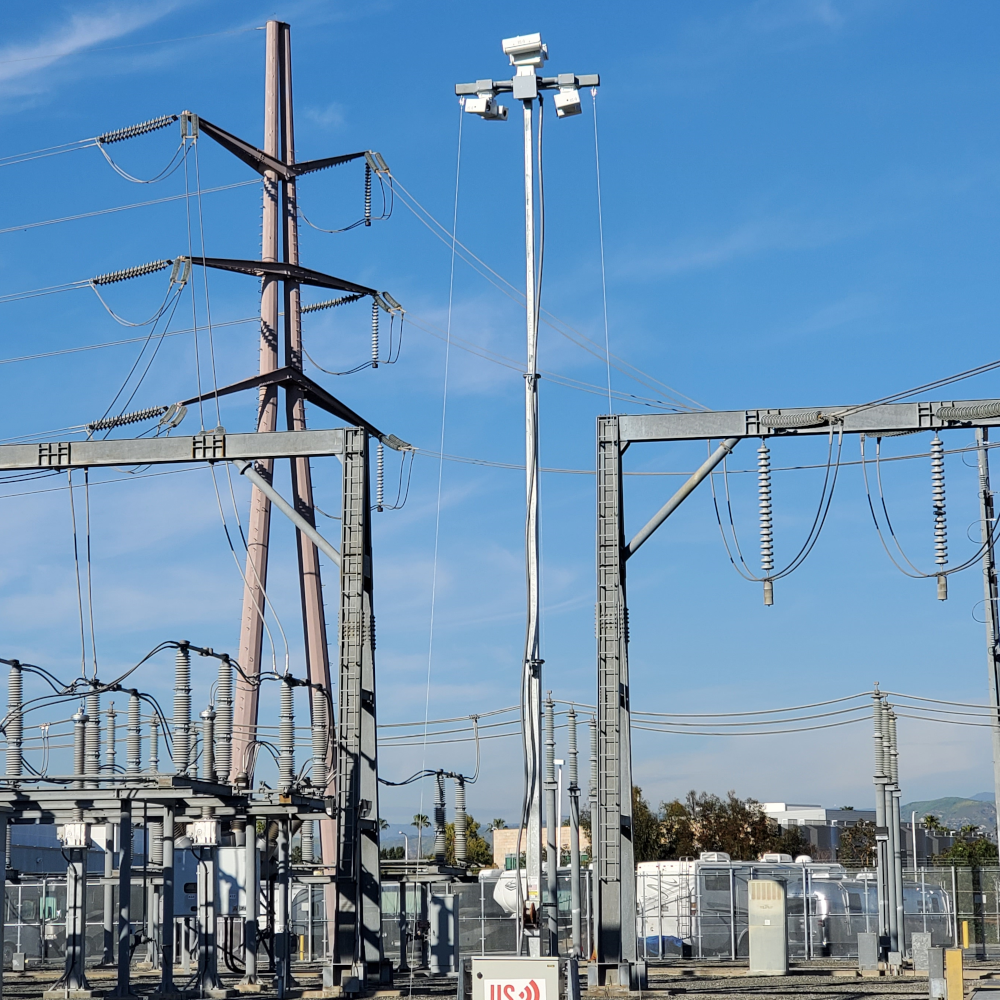
Thermal cameras are installed on elevated structures such as towers, ridgelines or existing infrastructure to provide clear, wide-area visibility across large fire-prone environments.
DETECTION
Long-range thermal sensing
Thermal sensors detect heat anomalies across long distances, enabling identification of ignition points or hotspots before visible flame or smoke is present.
COVERAGE
Active area
scanning
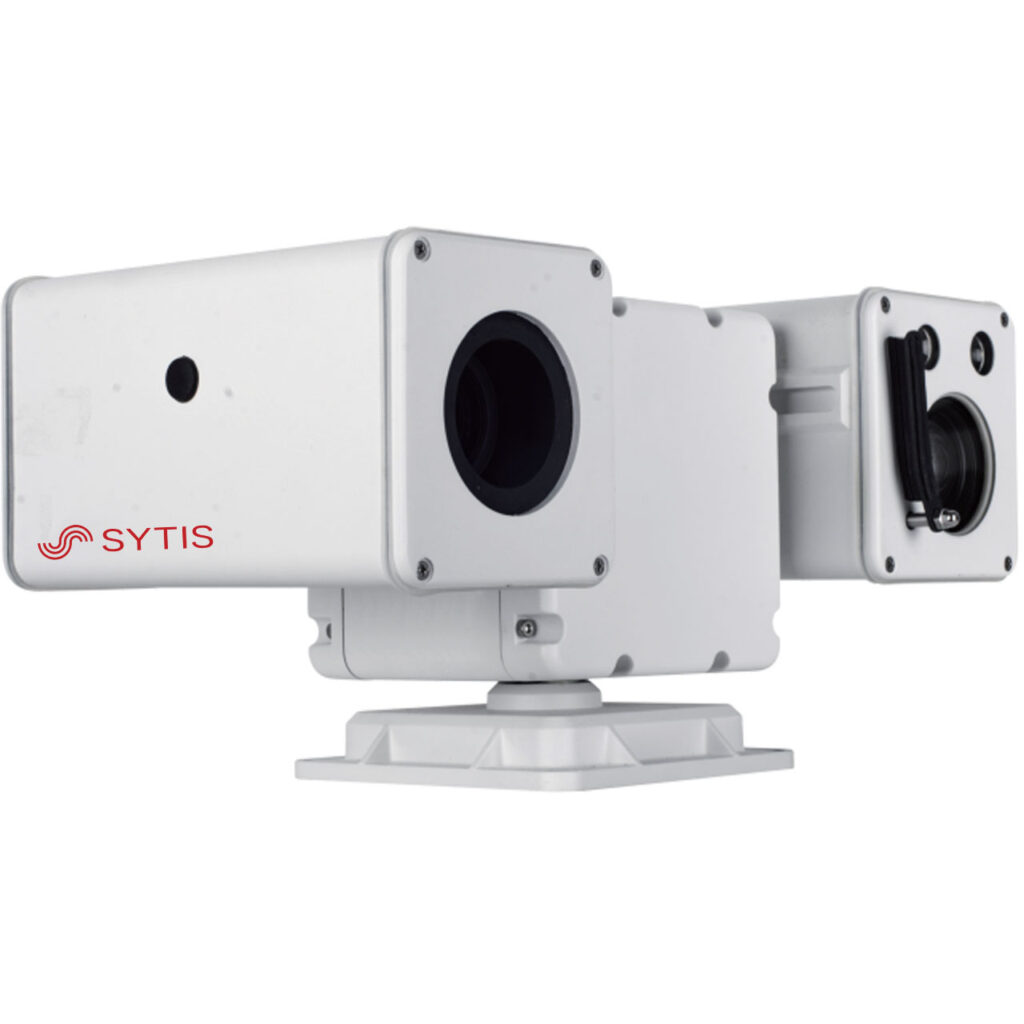
Pan-tilt-zoom functionality allows operators to scan large areas continuously while focusing on specific locations as conditions change.
Why This
Matters
Operational impact of wide-area thermal visibility for fire detection and response.
Earlier ignition awareness
Heat anomalies associated with ignition often appear before visible flame or smoke. Long-range thermal monitoring supports earlier awareness across large areas where visual detection may be delayed or obstructed.
Safer initial assessment
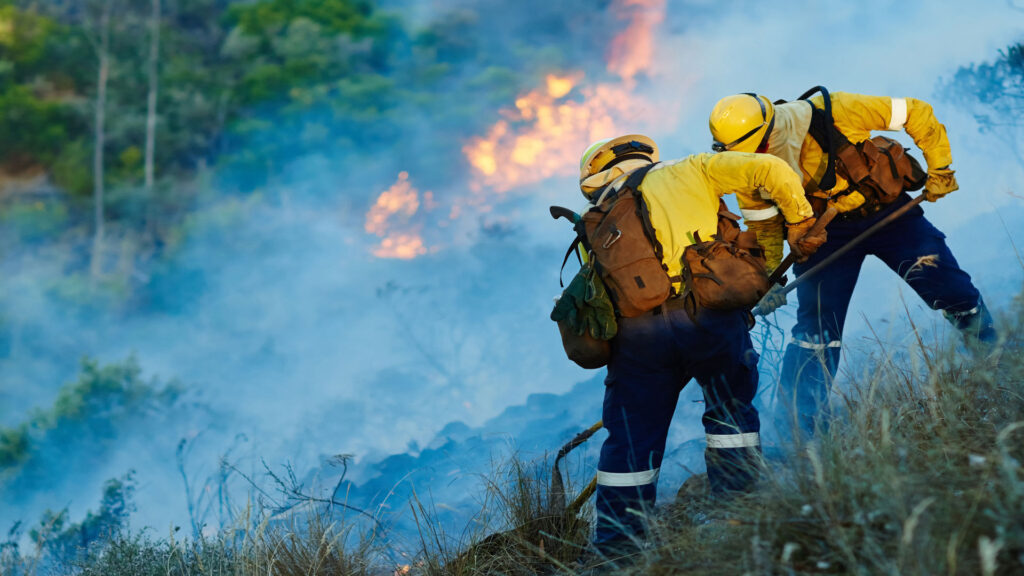
Wide-area thermal visibility allows early assessment from a distance, reducing the need to immediately place personnel in hazardous or inaccessible terrain during initial evaluation.
Broader situational coverage
Elevated monitoring positions provide consistent visibility across terrain that would otherwise require multiple ground-based observation points, reducing blind spots in complex environments.
Deployment
Context
Where long-range thermal detection is deployed for wide-area fire monitoring and response.
Elevated fixed monitoring points
Thermal cameras are installed on elevated structures such as towers, ridgelines and water towers to provide continuous wide-area visibility across surrounding terrain.
Wide-area fire risk zones
Long-range thermal detection is used to monitor large fire-prone areas, including wildland-urban interface zones and open terrain where early visual detection is limited.
Semi-permanent fire monitoring deployments
Systems are deployed for season-long or long-term monitoring in locations where fire risk persists, providing continuous awareness without requiring permanent construction.
Temporary and mobile response
support
Thermal monitoring can be deployed temporarily to support response operations, post-incident mop-ups or shifting risk areas as conditions change.
solution
examples
How long-range thermal detection is implemented using SYTIS monitoring systems.
PTZ Thermal Camera Series
Long-range thermal cameras designed for elevated, fixed-position monitoring and active scanning across wide-area fire risk environments.
GridSafe™ Skid System
A semi-permanent deployment platform that supports long-range thermal monitoring in remote or infrastructure-limited fire monitoring locations.
Vehicle-Mounted Unit (Pilot)
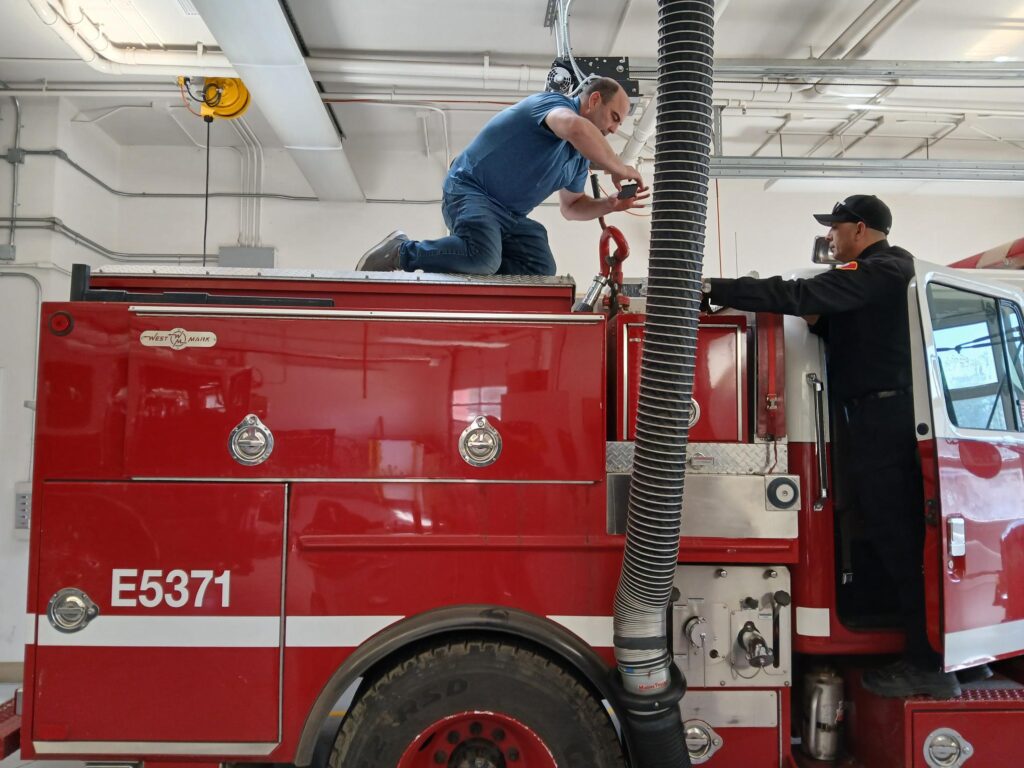
A pilot deployment that supports mobile thermal visibility during active fire response and post-incident monitoring.